

Land use decisions shape almost everything a region cares about — where people can afford to live, how far they drive, which natural lands stay intact, and how well communities weather a changing climate. Yet those decisions are usually made one project and one jurisdiction at a time.
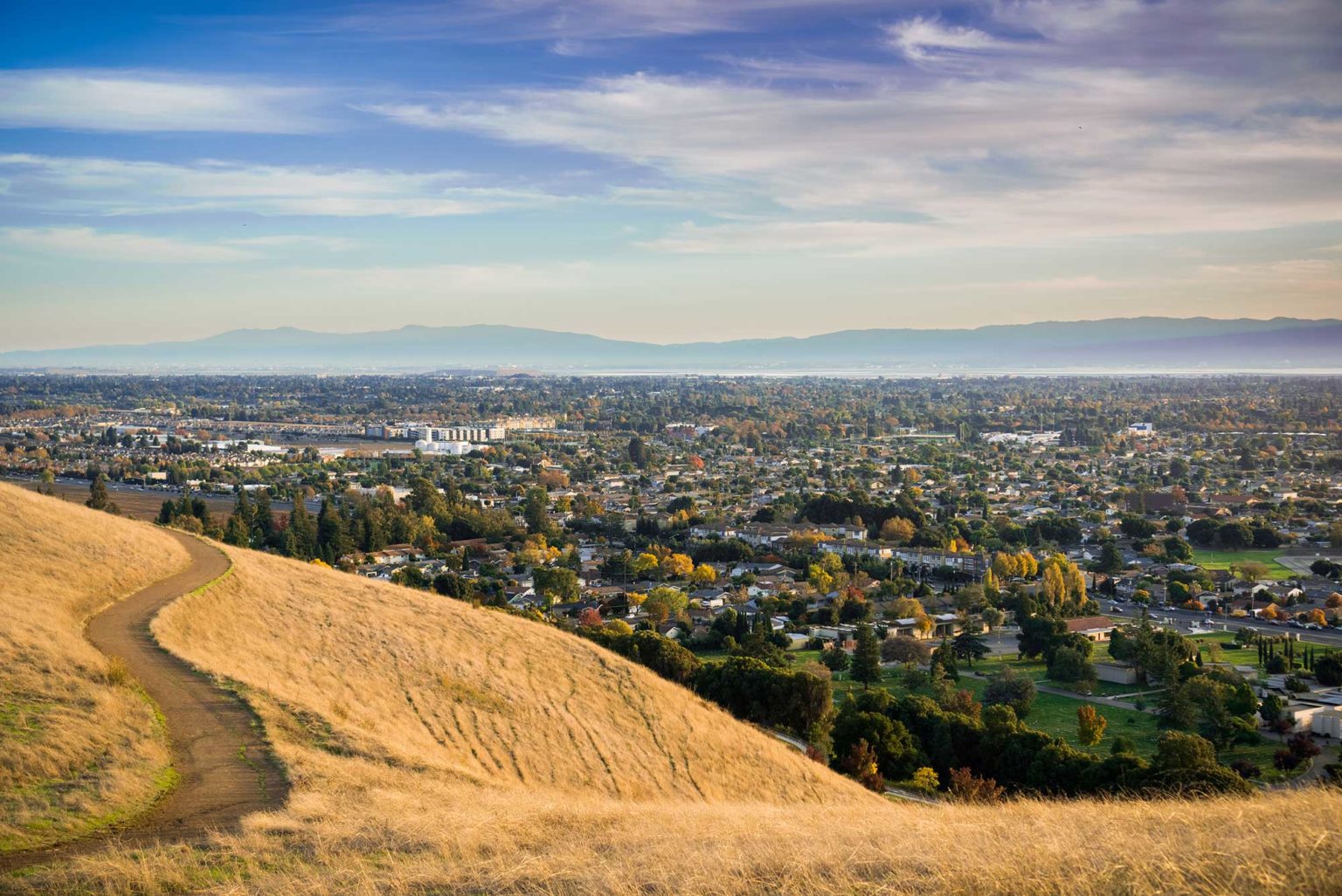
Across the San Francisco Bay Area, dozens of cities and counties each set their own rules for growth, conservation, and development. That local control matters, and it reflects real differences between places. But when every jurisdiction plans in isolation, the region as a whole can end up with outcomes no single community intended: housing pushed to the urban edge, open space fragmented piece by piece, and climate risks that cross boundaries no map recognizes. A shared, state-level framework can give local decisions a common direction without erasing local voice.
Why the state matters
Many of the forces that drive land use — housing demand, transportation networks, wildfire risk, and sea level rise — operate at a scale far larger than any one city. A statewide framework can set consistent expectations for how growth and conservation fit together, so that a good decision in one community is reinforced rather than undercut by choices next door. It can also align funding, data, and technical support behind the outcomes that matter most.
The goal is not to centralize every choice, but to establish durable ground rules that outlast any single budget cycle or election. When the basic framework is stable, local leaders, landowners, and community members can plan with more confidence — and the region can measure whether it is actually making progress toward resilience, affordability, and protected natural lands.
Growth and conservation are not opposing goals. The strongest policies treat them as two halves of the same plan — directing homes to the right places so that open lands can stay open.
What a good framework includes
A durable statewide approach does not need to be complicated. In broad terms, it tends to rest on a handful of concrete, mutually reinforcing elements:
- Clear urban growth boundaries that give both communities and conservationists a predictable line between where growth belongs and where natural and working lands are protected.
- Infill incentives near transit so that new homes are directed toward walkable, well-served areas rather than the region's undeveloped edges.
- Funding for nature-based resilience — investing in wetlands, watersheds, greenbelts, and other natural systems that reduce risk from flooding, heat, and wildfire.
- Consistent measurement using shared data and definitions, so progress can be tracked over time and across jurisdictions rather than judged project by project.
None of these elements is new on its own. What a state-level framework adds is coherence: a way to hold them together so that local plans, regional agencies, and state investments all point in the same direction. For a region as interconnected and climate-exposed as the Bay Area, that coherence is not a luxury — it is what turns scattered good intentions into lasting resilience.
